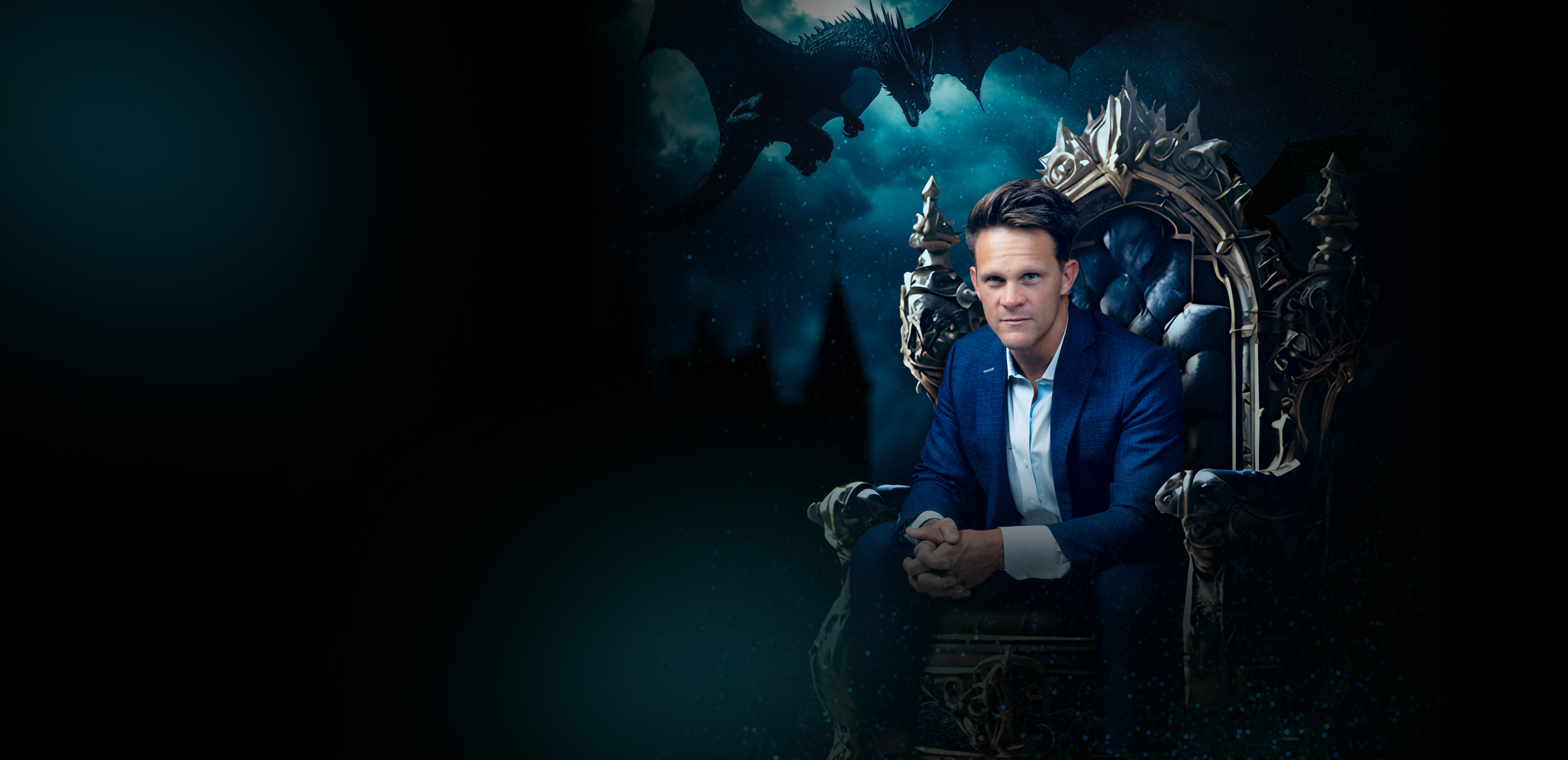
Slaying Dragons Daily in Life and Law
With verdicts of $10, $16 and $30 million, and a few notable losses (CVN’s #1 most impressive defense verdict of 2025), Kurt has built a community of fellow dragon slayers: trial lawyers who share their victories, and the lessons from the days the dragon eats them, to inspire and motivate each other even in the losses. He tells host Dan Ambrose how it works.
- The four ideals, starting with journey before destination
- Why members share their losses as openly as their wins
- What AI still cannot do on cross
- How befriending defense counsel can mean less fight back
TLU Beach 2026 REPLAY - Creating Drama at Trial—How to Tell a Story in Trial Through Dramatic Theatrical Techniques
Free to attend, live on Zoom. Can't make it? The session replays on TLU On Demand.
Thursday, November 19
10:30 AM PST
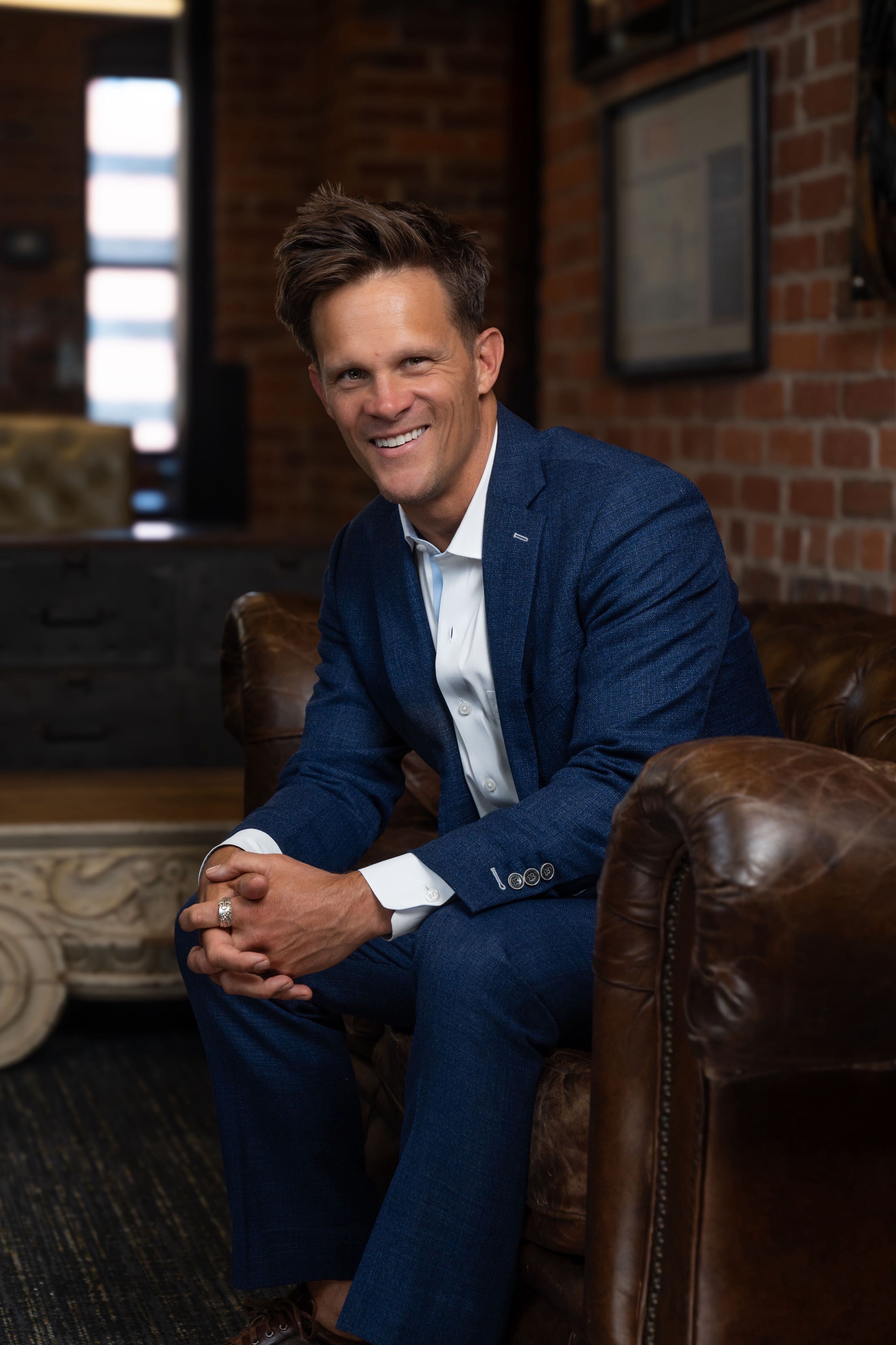
Meet Kurt.
Kurt Zaner has built his career taking on corporations that refuse to accept responsibility, standing up for people facing overwhelming odds. He has secured record-breaking verdicts, including Colorado’s largest premises liability award of $16 million and a $30 million federal court verdict. His courtroom advocacy is strengthened by his background in theater, bringing both persuasion and presence before juries. Kurt has appeared on national media like Good Morning America and World News Tonight, and his legal work has shaped state and federal case law.
Widely recognized as one of Colorado’s leading trial lawyers, Kurt has represented hundreds of clients across the state, winning multi-million-dollar verdicts in catastrophic injury and wrongful death cases. He has tried cases at every level of Colorado courts, with results landing on the front page of the Denver Post and upheld by the Colorado Supreme Court. Beyond the courtroom, Kurt serves on the Board of the Colorado Trial Lawyers Association and plays a national leadership role within the American Association of Justice, the country’s premier trial lawyer organization.
A frequent national speaker, Kurt lectures on innovative trial strategies, effective legal writing, and even ancient Roman techniques that inspire modern advocacy. He volunteers as a certified End Distracted Driving presenter, speaking in classrooms to educate young drivers, and regularly teaches at major trial lawyer seminars across the country. When not in the courtroom or on stage teaching, Kurt enjoys time outdoors with his wife and two young boys, often returning to his love of theater in local productions.
Where Kurt teaches.
Trial Lawyers University, live — the room the faculty teach in.
Trial Lawyers University footage. Kurt’s own session film goes here as it is cut.
What Kurt teaches.
Every session taught at a Trial Lawyers University conference, straight from the programme.
TLU Beach2024–2026
Voir Dire in 30 Minutes or Less
Too often we don't have enough time for Voir Dire. When you have only 30 minutes or less, learn how to hit all the big topics (tort reform, burden of proof, money for pain and large damages) while both planting seeds for trial and discovering toxic jurors you need to strike.
Premises Master Class
Premises cases are some of the best to take to trial - always a corporate defendant and always lots of coverage. However, there are complex liability theories, challenging causation issues, and several entities usually on site. From Slip and Falls to Electrocution and Explosions, every Premises Liability case has its own unique challenges. But there is a method to winning – and winning big. With verdicts of 16M, 10.6M, and 30M in Premises cases, Kurt Zaner has fine-tuned his patented approach and will be sharing it with all attendees. 1. Building the case a. Case selection b. Early Actions i. Site inspections, ii. Expert hires, iii. Case evaluations c. Experts i. What kind to hire – architects, engineers, human factors, regulators, etc. ii. When do you hire iii. Best places to find them d. Discovery Plan 2. Filing the Case a. Setting up the claims and parties b. Pleading PLA v. Negligence 3. Document Discovery a. Documents needed b. Discovery Request Strategy c. ESI 4. Deposition discovery 30b6 Depos a. 30b6/PMKs i. Topics ii. Depo strategy iii. Rules of the Road iv. When to press b. Fact witnesses c. Order of depositions d. Your client’s deposition 5. Trial Preparation a. MILS b. Demonstratives v. Chart Paper c. Focus groups d. Order of witnesses 6. Jury Selection in Premises Cases a. Questions you must ask b. Questions you would like to ask c. Questions you shouldn’t ask. 7. Opening a. Educate, inform, and planting seeds b. Diffusing defenses c. Introducing clients damages 8. Cross of Defense Witnesses a. Strategy b. Drama c. Depo Clip Integration 9. Closing and Rebuttal a. Will demonstrate PLA closing with slide deck b. What to save for rebuttal – briefcase decisions?
Creating Drama at Trial – How to Tell a Story in Trial Through Dramatic Theatrical Techniques
Most lawyers are boring and bore jurors into not caring. Or worse, they try too hard to entertain them and make the jurors hate them. We need to find a happy medium – keeping the jurors entertained and caring about your case, without pushing them away by acting over the top. I trained as a stage actor throughout college and moved to LA upon graduation to purse acting before going back to law school. I have found that learning how to emote and act brings clarity, passion, emotion to your presentations.Most jurors exposure to lawyers involves watching lawyers on TV. So we need to give them what they want. I will teach and model how to pick your moments to use dramatic techniques throughout trial to keep them entertained and trusting you.You will not be "acting" in the courtroom, you will be living your true self and expressing your full range of authentic emotions and maximizing your presentation skills with an eye towards your listener/watcher. This will run the full gamut of trial – from Voir Dire, to Opening, Witnesses direct and cross, and Closing.These techniques include speaking directly to your client, using pauses, incorporating defense counsel into the story theatrically, and story telling with emotion and intention.Its gonna be a hoot.
Voir Dire (Workshop)
Learn how to conduct a voir dire when you have limited time - 20-45 minutes. We will go over strategy and philosophy. I will both model my VD and coach you! Bonus acting warmups to help with nerves! Be prepared to come with a case to work on. We will meet ahead of time to go over topics for you to prepare and an opening monologue.
Writing a Story – Win Your Case in a Page and a Half
Lawyers hate legal writing. And for good reason - its terribly boring. So stop writing like a lawyer and tell a damn story. This CLE will teach how to write in a way that moves the reader to want to rule in your favor. You can use this technique in every brief you write (from discovery disputes to substantive motions) maximizing the chances you will be able to introduce the evidence you need at trial. Without winning the briefing, you may never be able to present the case you want at trial. I learned this after working a federal law clerk for a year right after law school and literally falling asleep at my desk, only to wake up and see the Judge staring at me. As exemplars, I will use two cases in which a winning brief on spoliation and a winning punitive damage brief led to two eight figure verdicts in CRPS electrocution cases I tried with Sarah McEahern; both had past meds under 300K. I will break down the cases and the briefs and show you how to use the writing techniques I have developed over the years and what they look like in action. I will also show how the evidence I developed in the wining briefs was dramatically introduced at trial. The presentation, like my writing, will entertain you like Maximus in Africa. If you like Lord of the Rings and Game of Thrones, you will be even more entertained.
Premises Liability Master Class
Building the case Case selection Early Actions Site inspections, Expert hires, Case evaluations Experts What kind to hire – architects, engineers, human factors, regulators, etc. When do you hire Best places to find them Filing the Case Setting up the claims and parties Pleading PLA v. Negligence Document Discovery Documents needed Discovery Request Strategy ESI Deposition discovery 30b6 Depos 30b6/PMKs Topics Depo strategy Rules of the Road When to press Fact witnesses Order of depositions Your client’s deposition 5. Trial Preparation MILS Demonstratives v. Chart Paper Focus groups Order of witnesses 6. Jury Selection in Premises Cases Questions you must ask Questions you would like to ask Questions you shouldn’t ask. 7. Opening Educate, inform, and planting seeds Diffusing defenses Introducing clients damages 8. Cross of Defense Witnesses Strategy Drama Depo Clip Integration 9. Closing and Rebuttal Will demonstrate PLA closing with slide deck What to save for rebuttal – briefcase decisions?
Spine Trials
Voir Dire in 30 Minutes or Less and Asking For Eight Figures in Voir Dire and Closing
We would all love to have days to conduct Voir Dire, but sometimes you just get thirty minutes, or worse, 15 minutes. In Colorado, and in federal courts in Colorado, 15 minutes is the standard. In this time, you have to establish rapport, find the bad apples, and plant seeds for concepts like money for pain, burden of proof, and introducing large damages. How to do it in 15 minutes or less is an acquired skill. In this hour we will go over exactly how to do it, including how to memorize juror’s names, how to speak to everyone, and pitfalls to avoid. And, perhaps most importantly, how to introduce the idea of large damages in a diffusing way. In my last trial, with 15 minutes of VD in federal court, I told them I would be asking for 40 million dollars and no one batted an eye (they ended up awarding 30 million). Then, I will also cover different ways and formulas at the end of closing to argue for large non-economic and impairment awards – including the per diem, multipliers of economic damages, the “trust me” method, and other creative approaches.
Using Theatrical Techniques To Tell Your Client's Story At Trial
Most lawyers are boring and bore jurors into not caring. Or worse, they try too hard to entertain them and make the jurors hate them. We need to find a happy medium – keeping the jurors entertained and caring about your case, without pushing them away by acting over the top. I trained as a stage actor throughout college and moved to LA upon graduation to pursue acting before going back to law school. I have found that learning how to emote and act brings clarity, passion, and emotion to your presentations. Most jurors' exposure to lawyers involves watching lawyers on TV. So we need to give them what they want. I will teach and model how to pick your moments to use dramatic techniques throughout trial to keep them entertained and trusting you. You will not be "acting" in the courtroom, you will be living your true self and expressing your full range of authentic emotions, and maximizing your presentation skills with an eye towards your listener/watcher. This will run the full gamut of trial – from Voir Dire, to Opening, Witnesses direct and cross, and Closing. These techniques include speaking directly to your client, using pauses, incorporating defense counsel into the story theatrically, and storytelling with emotion and intention. It's gonna be a hoot.
How To Incorporate Dramatic Theatrical Techniques Into Your Opening And Closing (Bring A Case)
Limited to 8 attendees but observers are permitted Most lawyers are boring and bore jurors into not caring. Or worse, they try too hard to entertain them and make the jurors hate them. We need to find a happy medium – keeping the jurors entertained and caring about your case, without pushing them away by acting over the top. I trained as a stage actor throughout college and moved to LA upon graduation to purse acting before going back to law school. I have found that learning how to emote and act brings clarity, passion, emotion to your presentations. We will work on some acting techniques and exercises to bring about your natural ability to do these things. You will not be "acting" in the courtroom, you will be living your true self and expressing your full range of authentic emotions and maximizing your presentation skills with an eye towards your listener/watcher. We will start with acting warm up techniques. I will take two of my case examples from two recent eight figure verdicts involving CRPS diagnoses and perform portions of closings that illustrate theatrical tools that can create drama and emotion in the courtroom in both opening and closing. We will breakdown the different dramatic techniques applied and how to use them. These techniques include speaking directly to your client, using pauses, incorporating defense counsel into the story theatrically, and story telling with emotion and intention. You must bring a case you are working on be prepared to practice 10 minutes of your closing related to damages and the facts of your opening.
How fun, persuasive writing can lead to eight figure verdicts and settlements
Lawyers hate legal writing. And for good reason - its terribly boring. So stop writing like a lawyer and tell a damn story. This CLE will teach how to write in a way that moves the reader to want to rule in your favor. You can use this technique in every brief you write (from discovery disputes to substantive motions) maximizing the chances you will be able to introduce the evidence you need at trial. Without winning the briefing, you may never be able to present the case you want at trial. I learned this after working a federal law clerk for a year right after law school and literally falling asleep at my desk, only to wake up and see the Judge staring at me. As exemplars, I will use two cases in which a winning brief on spoliation and a winning punitive damage brief led to two eight figure verdicts in CRPS electrocution cases I tried with Sarah McEahern; both had past meds under 300K. I will break down the cases and the briefs and show you how to use the writing techniques I have developed over the years and what they look like in action. I will also show how the evidence I developed in the wining briefs was dramatically introduced at trial. The presentation, like my writing, will entertain you like Maximus in Africa. If you like Lord of the Rings and Game of Thrones, you will be even more entertained.
Live Voir Dire
A live and interactive Voir Dire Session. Kurt will question 10 jurors and work through all of the challenging concepts that mirror his Voir Dire in 30 minutes or less presentation, as well as topics when you have more time. After demonstrating during the live session, Kurt will explain and walk through the strategies on how to get jurors to talk and share honestly, how to deal with difficult jurors and questions, how to use topics to both plant seeds and discover toxic jurors, and how to elicit the right testimony to strike jurors for cause. Steve Straughen was a well site supervisor at an oil and gas frack site. All of the oil extracted from the ground was being deposited in large frac tanks - rectangular tanks about the size and shape of a mobile home. While investigating strange sounds from the top of the tank, the tank exploded sending Steve 50 feet into the air. Steve survived with severe orthopedic injuries, but ultimately lost his leg. The tanks exploded because they were poorly maintained and delivered to the site with holes in them. https://www.cbsnews.com/colorado/news/oil-gas-worker-injured-frac-tank-explosion-awarded-30-million-colorado-federal-court/ Kurt will Voir Dire on the following issues: Brutal Honesty The Justice System Lawsuit Abuse Burden of Proof Money Damages Money for Pain/Impairment How much Money is too much Sympathy Safety Protocols Corporate Responsibility Personal Responsibility Regulatory compliance v negligence.
How to Use Dramatic and Theatrical Techniques in Opening and Closing
Limited to 8 attendees but observers are permitted Most lawyers are boring and bore jurors into not caring. Or worse, they try too hard to entertain them and make the jurors hate them. We need to find a happy medium – keeping the jurors entertained and caring about your case, without pushing them away by acting over the top. I trained as a stage actor throughout college and moved to LA upon graduation to purse acting before going back to law school. I have found that learning how to emote and act brings clarity, passion, emotion to your presentations. We will work on some acting techniques and exercises to bring about your natural ability to do these things. You will not be "acting" in the courtroom, you will be living your true self and expressing your full range of authentic emotions and maximizing your presentation skills with an eye towards your listener/watcher. We will start with acting warm up techniques. I will take two of my case examples from two recent eight figure verdicts involving CRPS diagnoses and perform portions of closings that illustrate theatrical tools that can create drama and emotion in the courtroom in both opening and closing. We will breakdown the different dramatic techniques applied and how to use them. These techniques include speaking directly to your client, using pauses, incorporating defense counsel into the story theatrically, and story telling with emotion and intention. You must bring a case you are working on and be prepared to practice 10 minutes of your closing related to damages and the facts of your opening.
TLU Live Vegas2024
Dramatic/Theatrical Techniques in Closing
Limited to 8 attendees but observers are permitted Most lawyers are boring and bore jurors into not caring. Or worse, they try too hard to entertain them and make the jurors hate them. We need to find a happy medium – keeping the jurors entertained and caring about your case, without pushing them away by acting over the top. I trained as a stage actor throughout college and moved to LA upon graduation to purse acting before going back to law school. I have found that learning how to emote and act brings clarity, passion, emotion to your presentations. We will work on some acting techniques and exercises to bring about your natural ability to do these things. You will not be "acting" in the courtroom, you will be living your true self and expressing your full range of authentic emotions and maximizing your presentation skills with an eye towards your listener/watcher. We will start with acting warm up techniques. I will take two of my case examples from two recent eight figure verdicts involving CRPS diagnoses and perform portions of closings that illustrate theatrical tools that can create drama and emotion in the courtroom. We will breakdown the different dramatic techniques applied and how to use them. These techniques include speaking directly to your client, using pauses, incorporating defense counsel into the story theatrically, and story-telling with emotion and intention. We will also work on the concept of anchoring and how to introduce the value of money concepts without drawing objections. You must bring a case you are working on be prepared to practice 10 minutes of your closing related to the damages of your client.
Dramatic/Theatrical Techniques in Opening
Limited to 8 attendees but observers are permitted Most lawyers are boring and bore jurors into not caring. Or worse, they try too hard to entertain them and make the jurors hate them. We need to find a happy medium – keeping the jurors entertained and caring about your case, without pushing them away by acting over the top. I trained as a stage actor throughout college and moved to LA upon graduation to purse acting before going back to law school. I have found that learning how to emote and act brings clarity, passion, emotion to your presentations. We will work on some acting techniques and exercises to bring about your natural ability to do these things. You will not be "acting" in the courtroom, you will be living your true self and expressing your full range of authentic emotions and maximizing your presentation skills with an eye towards your listener/watcher. We will start with acting warm up techniques. I will take two of my case examples from two recent eight figure verdicts involving CRPS diagnoses and perform portions of openings illustrate theatrical tools that can create drama and emotion in the courtroom in both openings. We will breakdown the different dramatic techniques applied and how to use them. These techniques include creating space and re-enacting the incident in that space, telling your client’s medical journey through dialogue with your client’s doctors, and story telling with emotion and intention. You must bring a case you are working on and be familiar with both the facts of your incident and your client’s medical journey. Be ready to have fun!
Creating Drama at Trial – how to tell a story in trial through dramatic theatrical techniques
Most lawyers are boring and bore jurors into not caring. Or worse, they try too hard to entertain them and make the jurors hate them. We need to find a happy medium – keeping the jurors entertained and caring about your case, without pushing them away by acting over the top. I trained as a stage actor throughout college and moved to LA upon graduation to purse acting before going back to law school. I have found that learning how to emote and act brings clarity, passion, emotion to your presentations.Most jurors exposure to lawyers involves watching lawyers on TV. So we need to give them what they want. I will teach and model how to pick your moments to use dramatic techniques throughout trial to keep them entertained and trusting you.You will not be "acting" in the courtroom, you will be living your true self and expressing your full range of authentic emotions and maximizing your presentation skills with an eye towards your listener/watcher. This will run the full gamut of trial – from Voir Dire, to Opening, Witnesses direct and cross, and Closing.These techniques include speaking directly to your client, using pauses, incorporating defense counsel into the story theatrically, and story telling with emotion and intention.Its gonna be a hoot.
Writing a Story – brief writing and how to win your case in a page and a half by telling a convincing story
Lawyers hate legal writing. And for good reason - its terribly boring. So stop writing like a lawyer and tell a damn story. This CLE will teach how to write in a way that moves the reader to want to rule in your favor. You can use this technique in every brief you write (from discovery disputes to substantive motions) maximizing the chances you will be able to introduce the evidence you need at trial. Without winning the briefing, you may never be able to present the case you want at trial. I learned this after working a federal law clerk for a year right after law school and literally falling asleep at my desk, only to wake up and see the Judge staring at me. As exemplars, I will use two cases in which a winning brief on spoliation and a winning punitive damage brief led to two eight figure verdicts in CRPS electrocution cases I tried with Sarah McEahern; both had past meds under 300K. I will break down the cases and the briefs and show you how to use the writing techniques I have developed over the years and what they look like in action. I will also show how the evidence I developed in the wining briefs was dramatically introduced at trial. The presentation, like my writing, will entertain you like Maximus in Africa. If you like Lord of the Rings and Game of Thrones, you will be even more entertained.
The Story of the Villain - How to win the impossible causation case by focusing on Defendant’s behavior
Trial is one big story – and you get to control it. You are the writer, the director, the producer, and the actor. However, the script often changes on the fly and you have to adjust. And often times, the source material (the facts) you have is not the best. Sometimes you have a good client and good damages and maybe even good liability, but causation is impossible. Impossible to understand, impossible to win, impossible to communicate to a jury. You need to find a way tell the story by focusing on the villain and not on causation. In my last three eight figure verdicts, I have had this exact scenario. In this class, I will use my latest 30M fracking explosion federal jury verdict to illustrate how to draw the jury’s attention to where you most need it – on the bad acts of the villain (defendant) and how this can overcome any causation issues, as well as comparative fault and non-party problems. Techniques include framing the case and telling the story through visuals in opening and closing as well as directs and crosses.
TLU NYC
Openings According To Cicero, 2000 Year-Old Techniques Applied Today
Learn how to give openings like the greatest trial lawyer of antiquity - maybe of all time. 2,000 year-old methods that still ring true today, speeches delivered on the hallowed steps of the Roman Forum, and finding the most befitting style for the true orator.
How fun, persuasive writing can lead to eight figure verdicts and settlements
Lawyers hate legal writing. And for good reason - its terribly boring. So stop writing like a lawyer and tell a damn story. This CLE will teach how to write in a way that moves the reader to want to rule in your favor. You can use this technique in every brief you write (from discovery disputes to substantive motions) maximizing the chances you will be able to introduce the evidence you need at trial. Without winning the briefing, you may never be able to present the case you want at trial. I learned this after working a federal law clerk for a year right after law school and literally falling asleep at my desk, only to wake up and see the Judge staring at me. As exemplars, I will use two cases in which a winning brief on spoliation and a winning punitive damage brief led to two eight-figure verdicts in CRPS electrocution cases I tried with Sarah McEahern; both had past meds under 300K. I will break down the cases and the briefs and show you how to use the writing techniques I have developed over the years and what they look like in action. I will also show how the evidence I developed in the winning briefs was dramatically introduced at trial. The presentation, like my writing, will entertain you like Maximus in Africa. If you like Lord of the Rings and Game of Thrones, you will be even more entertained.
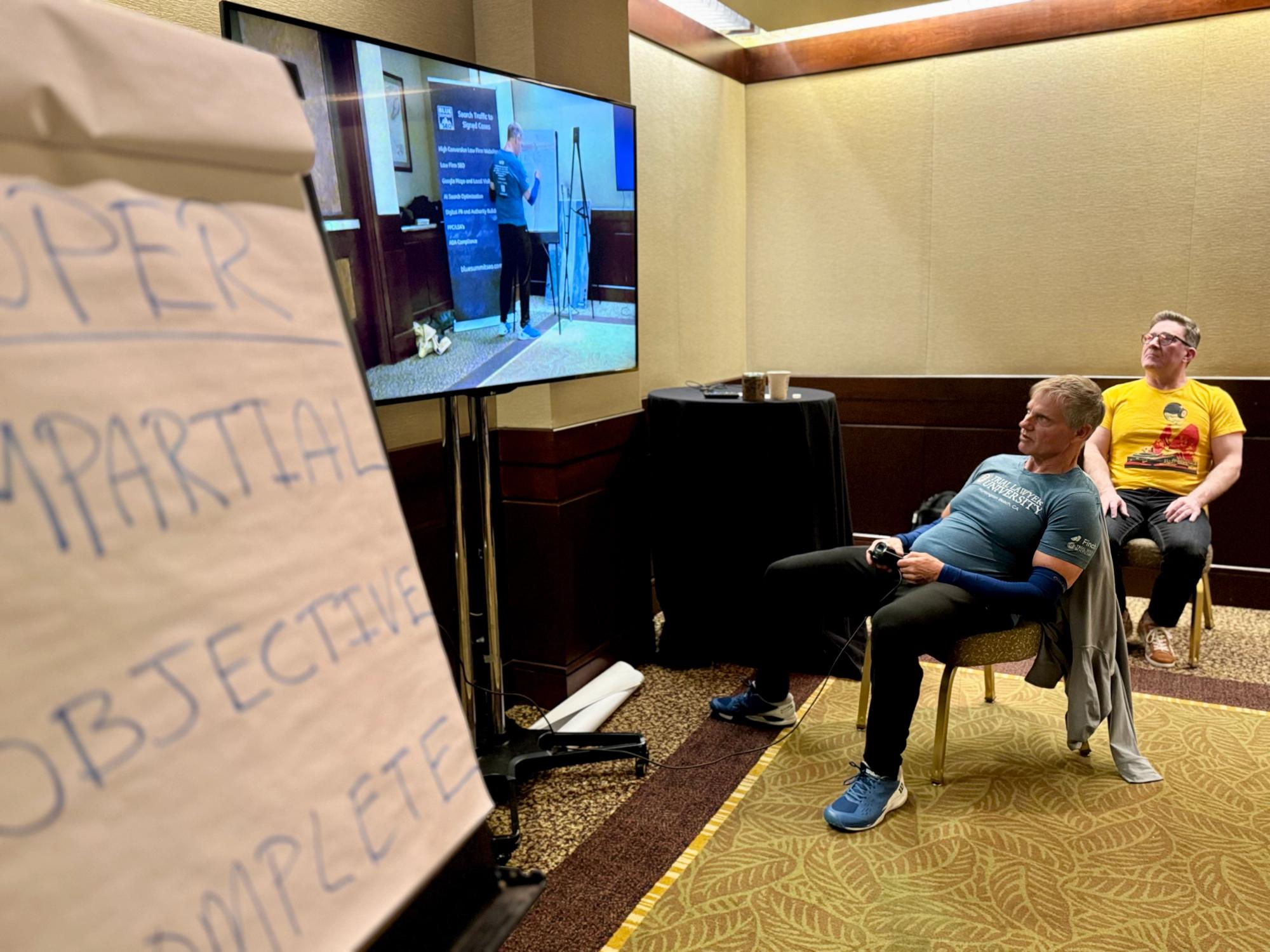
Taught live, in the room, to lawyers who try cases.
What trial lawyers say.
“That impact shook a core system on me. It almost brings tears to my eyes to think about how bad it was... I didn't know where to turn. I want to thank Marc and Kurt for everything they did for me.”
Joe
“We had so much to think about and so much to lose, and they never gave up...they fought for us...they fought for everything for us.”
Kim
“Every day I try to instill in the people that I work with to do the best that you can; be honest, be straight, and work hard, good things will happen...that's the impression I got from Kurt and the team.”
David
“Because of Zaner Law Personal Injury Lawyers we get a whole new life, a whole second chance at life again.”
Steven
tlu podcasts - with kurt zaner
Courtroom Drama: Performance as a Tool for All Aspects of Trial
Send him the case.
Catastrophic injury and wrongful death in Colorado: premises, worksite, oil and gas, trucking. Tell him what you have and he will tell you whether he can help.
More Faculty